
Where Hospitality Design Is Heading
Hospitality design is evolving and, in many ways, it’s returning to what really matters.
Across the industry, we’re seeing a growing shift towards more considered, sustainable approaches to design. Sustainability is no longer an add-on or a final check at the end of a project; it’s influencing decisions from the very beginning. One of the clearest examples of this is the rise in hotel conversions, where dormant office buildings and underused commercial spaces are being given new life as vibrant hospitality destinations.
These projects come with their own complexities, but they also offer an opportunity to think differently - and more intelligently - about how we design.
Giving existing buildings a new purpose
Conversions and refurbishments are an area where hospitality design can have real impact. Rather than starting from scratch, we’re working with what already exists - understanding buildings in detail and responding to their constraints, character and potential.
At Bell&Swift, we specialise in refurbishment and conversion projects, and our starting point is always the same: do we need it at all?
That question shapes everything that follows. Before proposing change, we take the time to fully understand the existing space and carefully review what can be retained, refreshed or refinished. It’s a process that challenges assumptions and often leads to smarter, more sustainable outcomes.
Being clever about what we keep
The most successful refurbishments aren’t about wholesale replacement - they’re about making informed decisions. Reuse, upcycling and selective intervention can significantly reduce both carbon impact and cost, while still delivering meaningful transformation.
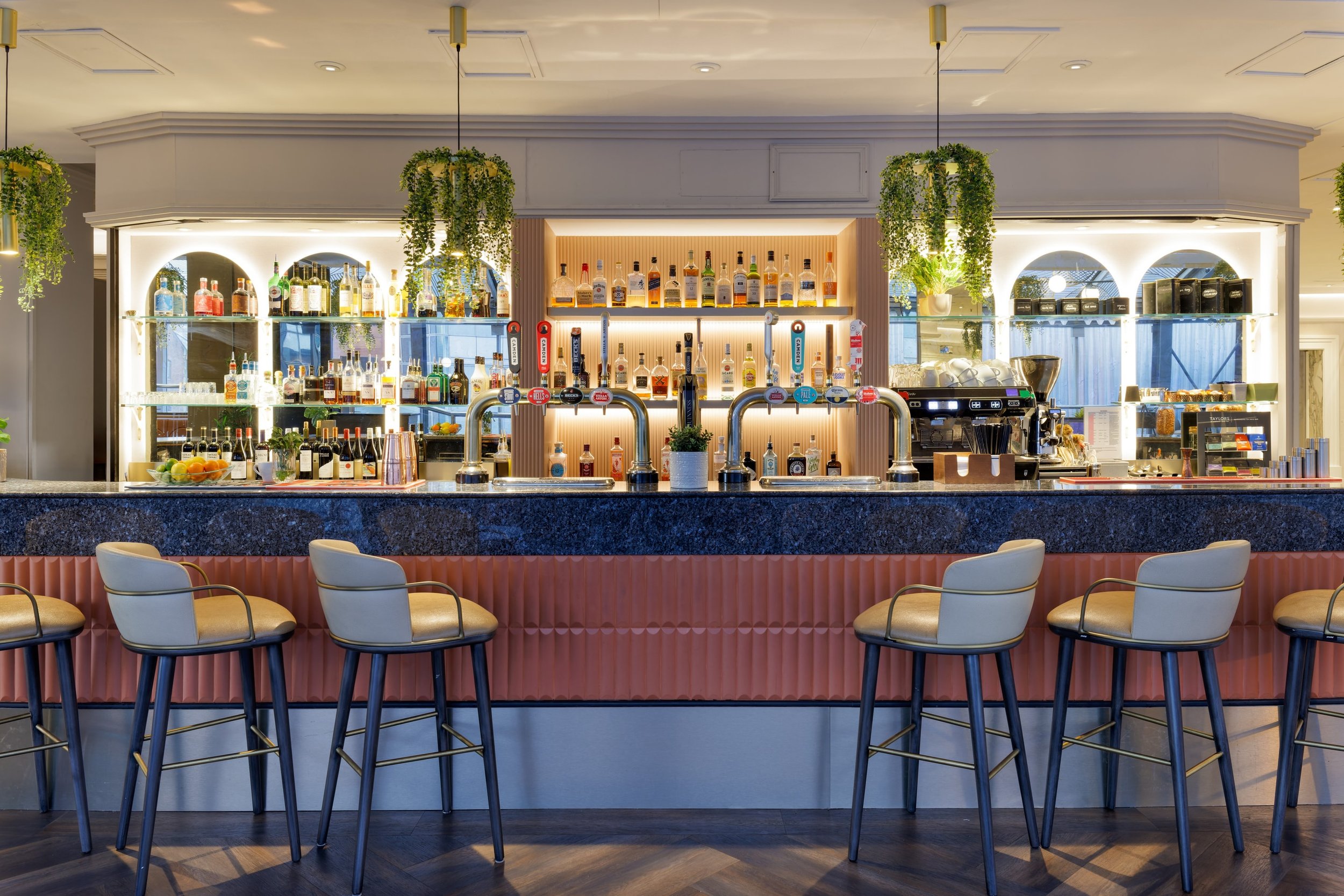
This approach has already shaped several of our projects. At Hilton Leeds, for example, we overclad the existing bar, completely changing the aesthetic while retaining as much of the original structure as possible. In the guestrooms, we adopted a tailored strategy - some spaces required hard refurbishment, while others benefitted from a softer refresh. That flexibility allowed the project to remain commercial, targeted and effective.
A key part of our role is supporting clients in defining the right refurbishment scope of works - helping them find the best way to refresh and reposition a hotel while challenging what truly needs to be replaced. It’s about ensuring every decision delivers maximum impact on completion.
Design that’s rooted in place
Guests today are looking for more than a place to stay. They want experiences that feel authentic, distinctive and connected to their surroundings. Working with existing buildings naturally supports this - no two structures are the same, and each brings its own story, constraints and opportunities.
Everything we do at Bell&Swift is driven by a bespoke design narrative, shaped by the building itself and its local context. Rather than imposing a concept, we allow the architecture, location and history of a place to inform the design - creating spaces that feel grounded, characterful and unique.
Looking ahead
For us, this is where hospitality design is heading - thoughtful, sustainable and commercially sound. It’s about asking better questions, making smarter decisions and creating spaces that work harder for both our clients and their guests.
If you’re considering a conversion or refurbishment project and want to explore how reuse, upcycling and a more considered approach could add value, we’d be happy to have a conversation. For more details on our conversion and refurbishment experience, please have a look at our portfolio.